How Neuroplasticity, Culture, and Psychodermatology Helped Me Overcome Eczema and topical Steroid Withdrawal
Healing is rarely linear, and in my case, it unfolded over four years of profound cognitive, behavioural, cultural, and psychosocial transformation. My journey through chronic eczema and both oral and topical steroid withdrawal was not simply a medical process — it was an existential one. Today, as I undertake an MPhil using autoethnography to examine how mindsets, cultural narratives, and embodied experiences shape chronic inflammatory illness, I am finally able to articulate the interconnected systems that helped me recover.
My conceptual framework draws from neuroplasticity, psychodermatology, mind–body medicine, and the biopsychosocial model, while also integrating Traditional Chinese Medicine (TCM) perspectives on the relationship between emotions, endocrine regulation, and systemic organ health. Thinkers such as Norman Doidge, Bessel van der Kolk, Gabor Maté, Wendy Suzuki, and Alfred Adler have shaped the Western scientific dimension of my work, while my lived experience — and my maternal family’s roots in China and the Philippines — have grounded me in TCM’s holistic understanding of Shen, Qi, Jing, and the emotion—organ axis.
Growing up multiethnic and living across nine countries exposed me to vastly different health systems, cultural beliefs, and institutional structures. I have personally navigated inequity in care, and these experiences fuel my commitment to ethnographic and culturally embedded mental health research. My New Colombo Plan Scholarship at National Taiwan University in 2024 deepened this commitment, introducing me to trauma‑informed approaches to care and education. It strengthened my aspiration to become a neuroscientist and integrative medicine researcher who bridges Eastern and Western paradigms.
Below, I outline several foundational concepts that shaped my healing and now inform my academic work.
1. The Gut–Skin Axis and the Microbiome
One of the most transformative insights I encountered was the role of the microbiome in chronic inflammatory skin conditions. Research shows that dysbiosis—imbalances in microbial communities—can disrupt immune homeostasis and contribute to atopic dermatitis (AD) (Lee et al., 2018). The gut and skin are not isolated systems; they communicate through immune, endocrine, and neural pathways.
For someone experiencing steroid withdrawal, this was revelatory. My skin was not “detoxing”—it was inflamed, dysregulated, and struggling to maintain barrier integrity. Supporting my gut health through nutrition, stress reduction, and microbial diversity became a cornerstone of my healing.
Emerging evidence suggests that manipulating the gut–skin axis may offer therapeutic potential for AD (Lee et al., 2018). This aligns with TCM’s long‑standing belief that digestive health and emotional regulation are central to skin vitality.
2. Sweating, Detoxification Myths, and the Physiology of Exercise
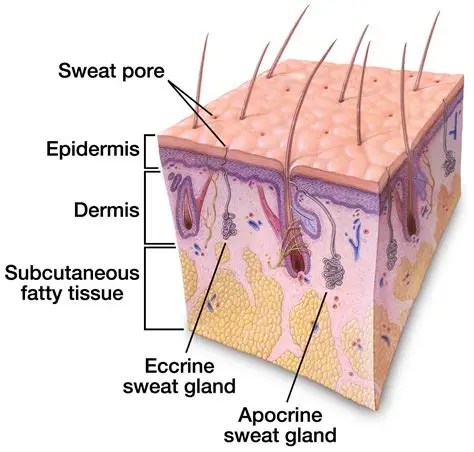
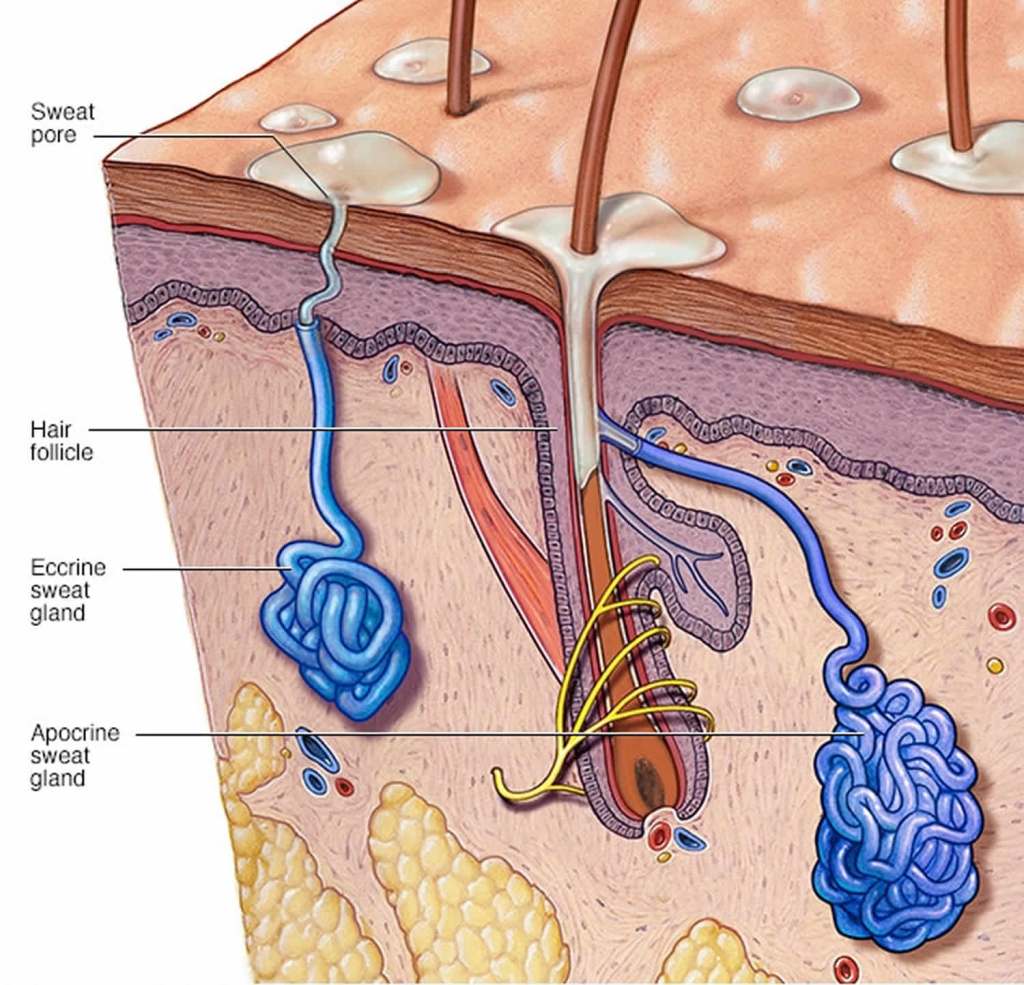
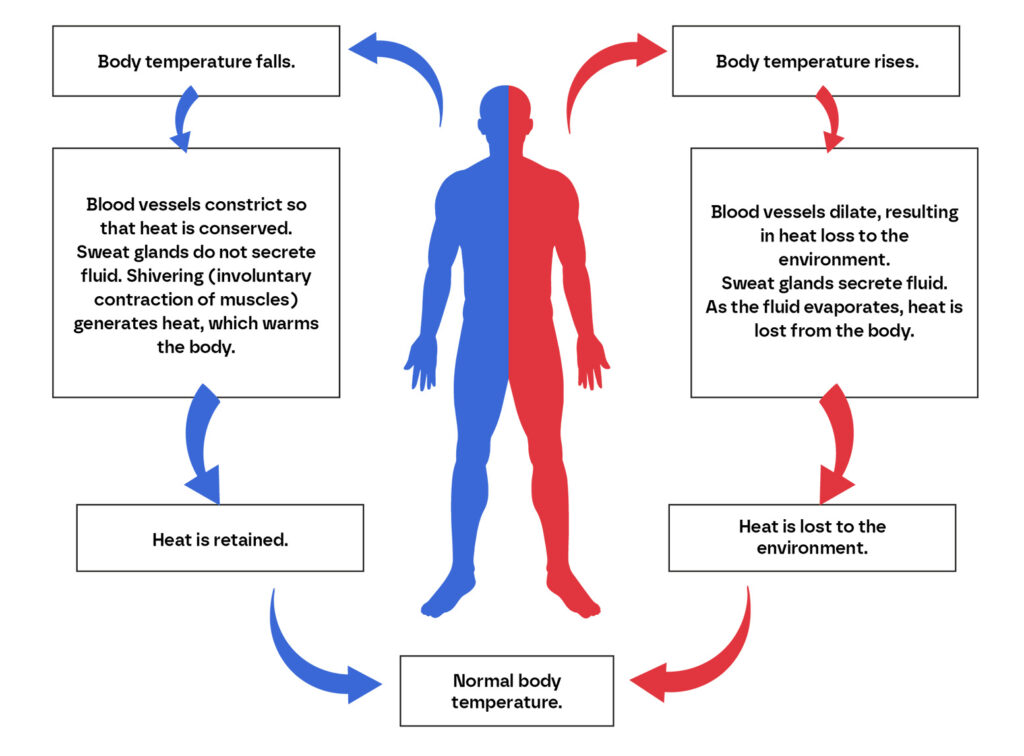
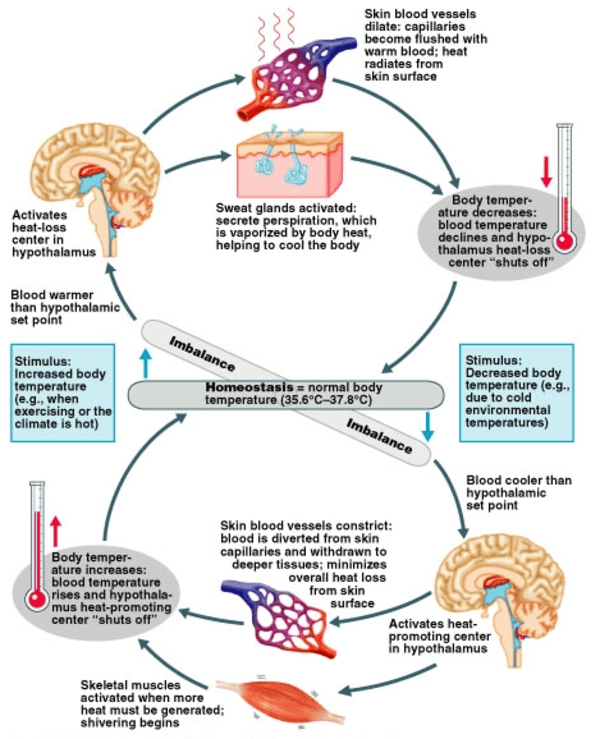
From a biomedical standpoint, sweating is understood primarily as a thermoregulatory mechanism. The eccrine glands release sweat to cool the body through evaporation, while the liver and kidneys remain responsible for metabolizing and excreting toxins (Oizumi et al., 2024). This perspective is grounded in physiology, organ‑system specialization, and measurable biochemical pathways.
However, Traditional Chinese Medicine (TCM), Ayurveda, and naturopathy conceptualize sweating through a very different lens—one that is energetic, systemic, and rooted in thousands of years of observation.
TCM: Sweating as a Pathway of Wei Qi, Heat, and Pathogenic Release
In The Yellow Emperor’s Classic of Medicine (Huangdi Neijing) — one of the foundational texts of Chinese medicine — sweating is described as a mechanism connected to Wei Qi, the defensive energy that circulates at the surface of the body. While I cannot quote the text directly, the Neijing explains that:
- Sweating can release external pathogenic factors such as wind‑cold or wind‑heat.
- Excessive sweating can damage Qi and fluids, weakening the body’s defenses.
- Induced sweating (e.g., through herbs or movement) can help expel pathogens early in illness.
In this paradigm, sweating is not “detoxification” in the modern biochemical sense, it is a regulation of Qi, fluids, and pathogenic influences. The skin is seen as a dynamic interface between the internal organs and the external environment. This aligns with your lived experience of TCM treatment and your cultural connection to Guangzhou, where sweating therapies (saunas, herbal steams, movement) are part of everyday health maintenance.
Ayurveda: Swedana and the Mobilization of Ama
Ayurveda, one of the world’s oldest medical systems, also views sweating as a therapeutic tool. According to classical Ayurvedic principles:
- Swedana (sudation therapy) is used to liquefy and mobilize ama, a term referring to metabolic waste or undigested substances.
- Sweating is induced through steam, warm oils, or physical activity to open the srotas (channels) and facilitate movement of toxins toward elimination pathways.
- Sweating is paired with purification therapies (e.g., Panchakarma) to support systemic balance.
Ayurveda does not claim that sweat itself contains toxins; rather, it sees sweating as a mobilizing force that helps loosen stagnation and support the body’s natural detoxification systems (Ayurveda, n.d.).
This is conceptually similar to TCM’s view of sweating as a way to regulate Qi and pathogenic factors, though the metaphysical frameworks differ.
Naturopathy & Herbalism: Sweating as a Supportive Elimination Pathway
Modern naturopathy, such as the herbalist tradition represented by practitioners like The Herbal Chemist, often integrates both traditional and biomedical perspectives. Sweating is viewed as:
- A supportive pathway for circulation, lymphatic flow, and skin vitality.
- A way to enhance microcirculation and encourage the movement of metabolic byproducts toward primary detox organs.
- A therapeutic tool when combined with herbs that promote diaphoresis (e.g., yarrow, elderflower, ginger).
Naturopathy does not typically claim that sweat itself contains significant toxins; instead, it frames sweating as part of a holistic detoxification process that includes the liver, kidneys, lymphatic system, and skin.
This perspective sits between TCM/Ayurveda and Western biomedicine — acknowledging the physiological limits of sweat while emphasizing its systemic benefits.
Science sees seating primarily as a thermoregulatory mechanism, while in Traditional Medicine or Naturopathy, it is viewed as a detoxification pathway. The liver and kidneys handle metabolic waste; the skin’s role is cooling (Oizumi et al., 2024).
3. State of Mind: Adlerian Psychology and Locus of Control
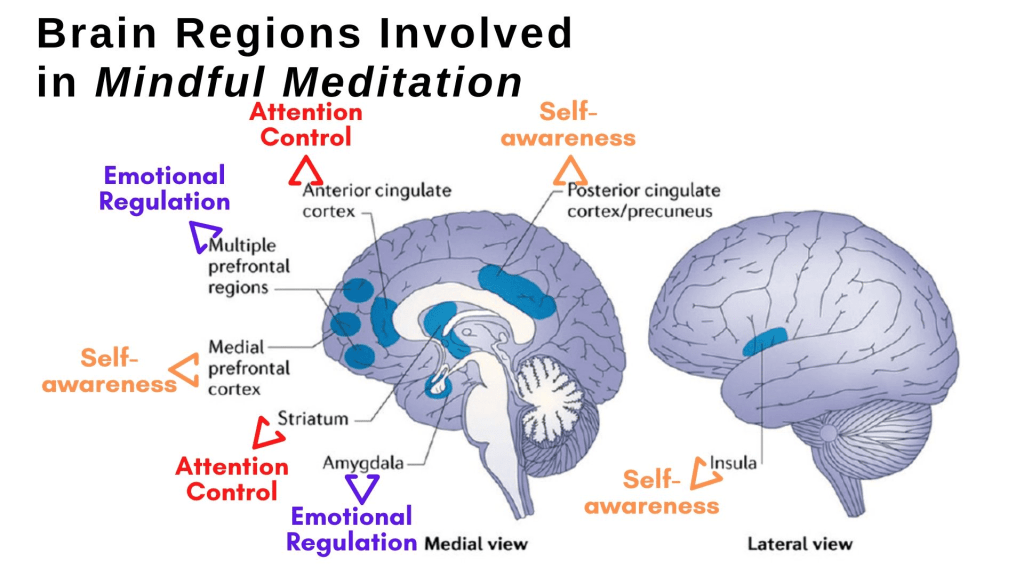
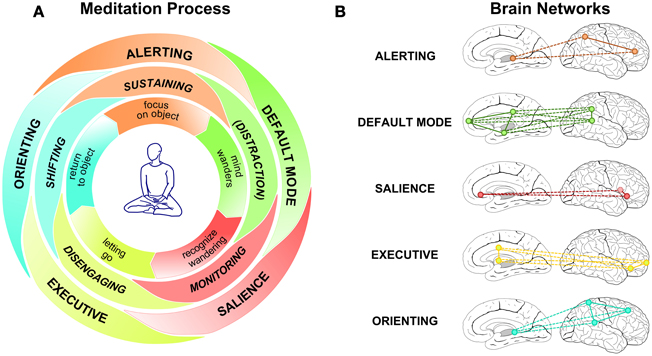
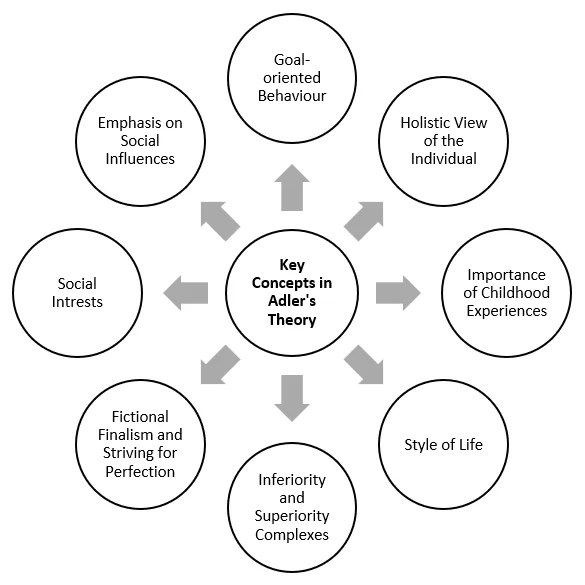
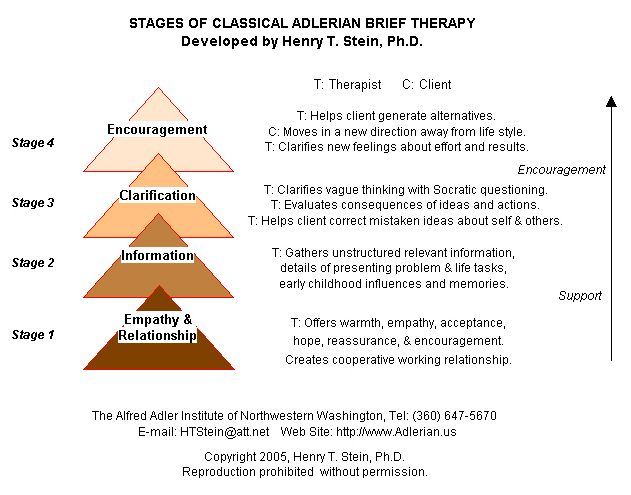
Healing required a radical shift in mindset. Adlerian psychology reframes chronic illness not as a life sentence but as a challenge that can be interpreted, compensated for, and integrated into a meaningful life narrative (Adler, as summarized in Arabpsychology, n.d.; NCBI, 2023).
Key Adlerian principles that shaped my recovery include:
- Teleology: Healing is driven by future goals, not past suffering.
- Compensation: Physical limitations can inspire growth in other domains.
- Style of Life: Each person develops a unique strategy for navigating adversity.
- Social Interest: Community connection is inherently healing.
Alongside this, locus of control theory helped me reclaim agency. Moving from an external locus (“my body is broken”) to an internal one (“I can influence my healing trajectory”) was pivotal.
4. Neuroplasticity: Rewiring the Brain to Support Healing
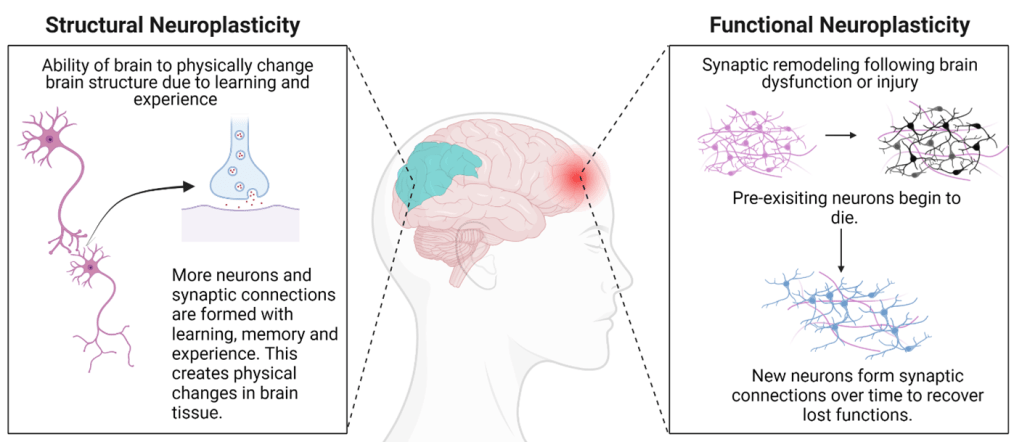
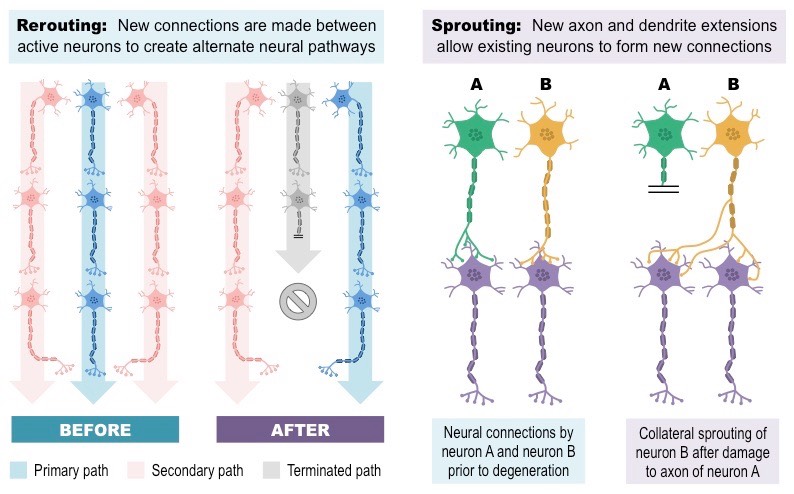
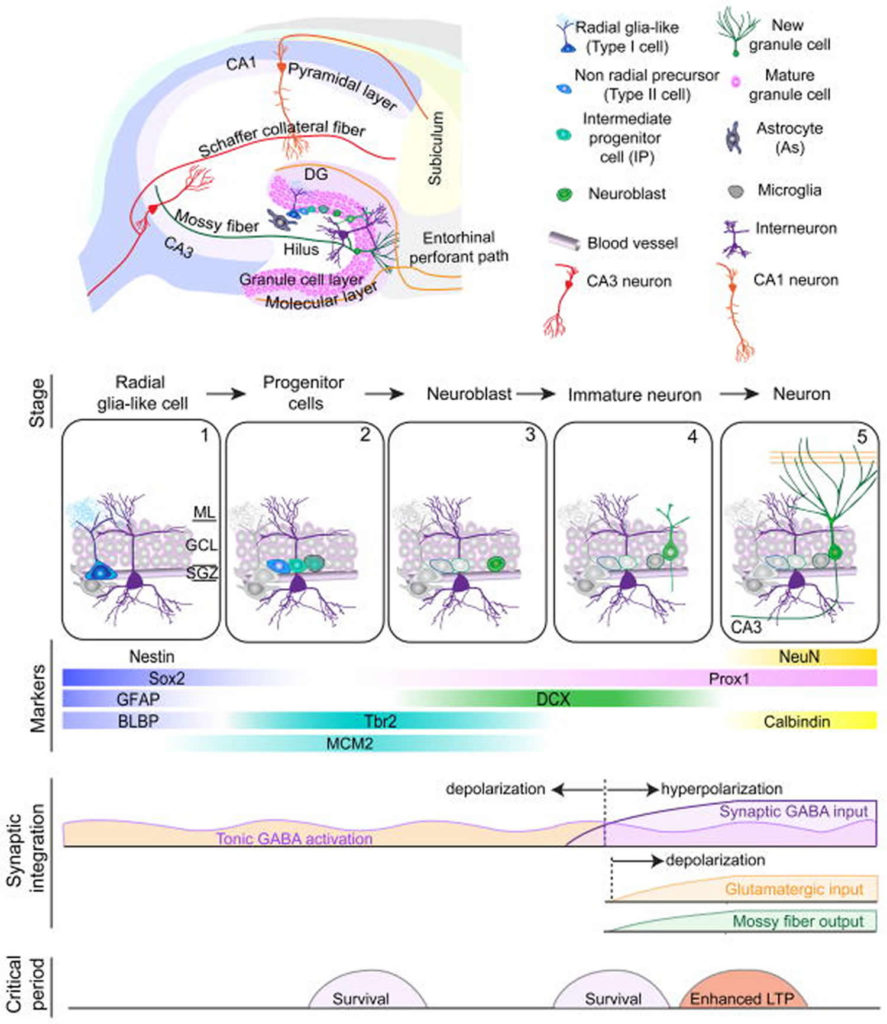
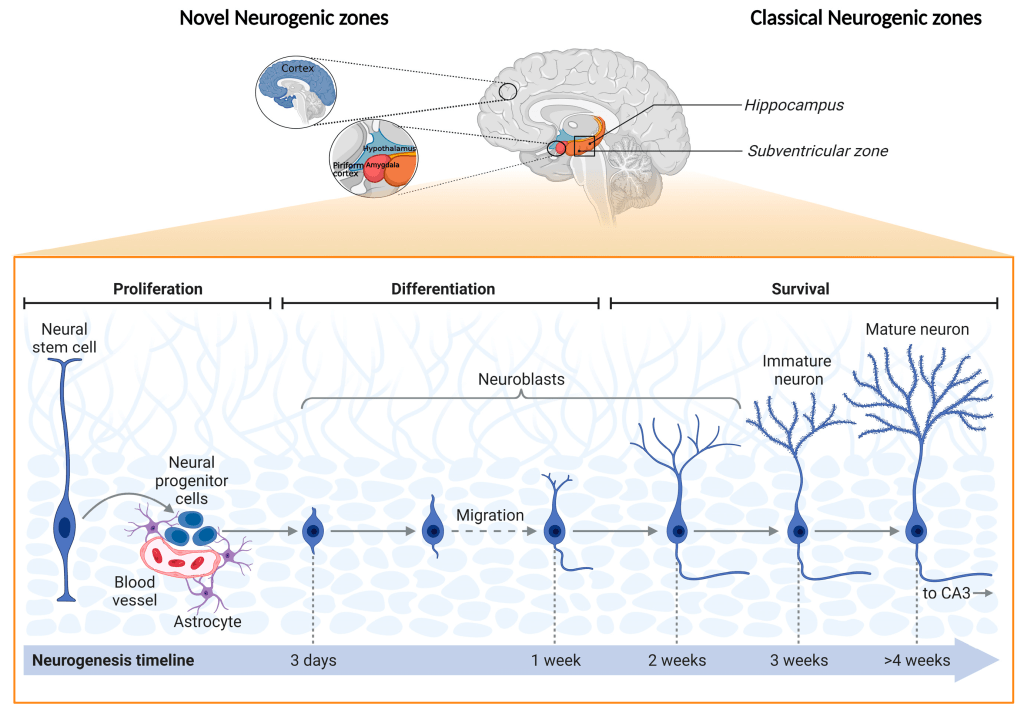
Neuroplasticity became the backbone of my recovery. Combining the frameworks of Dr. Wendy Suzuki and Dr. Norman Doidge provided a complete blueprint:
Suzuki: Physiological Ignition
Exercise triggers neurogenesis in the hippocampus and floods the brain with growth factors like BDNF, priming it for change.
Doidge: Structural Rewiring
Once primed, the brain can be reshaped through:
- Non‑dominant hand tasks
- Deliberate, uncomfortable learning
- Mental rehearsal and visualization
- Pattern interruption
- Sensory‑based healing protocols (e.g., Feldenkrais, conscious walking)
These practices helped me regulate my nervous system, reduce inflammatory stress responses, and rebuild cognitive resilience.
5. Traditional Chinese Medicine: Shen, Qi, Jing, and Emotional Regulation
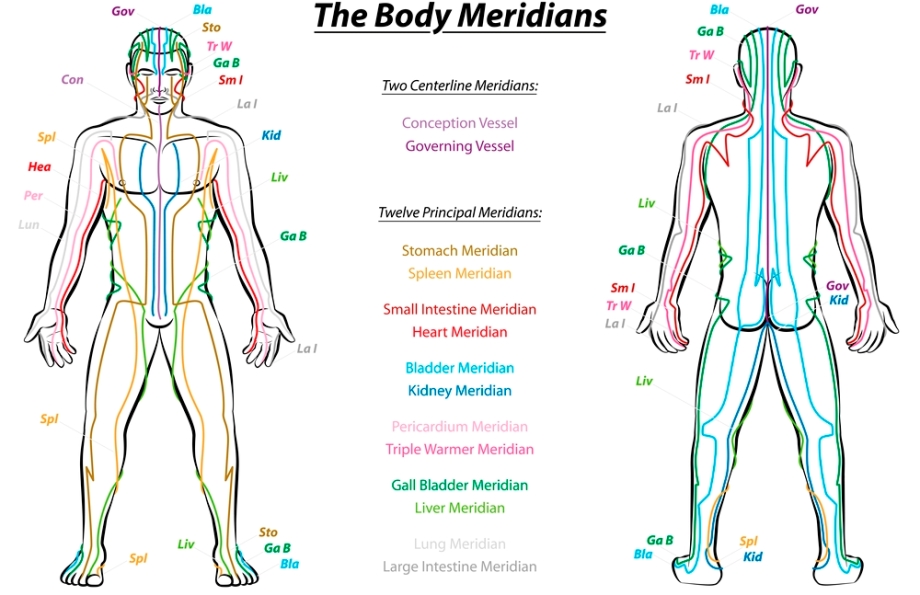
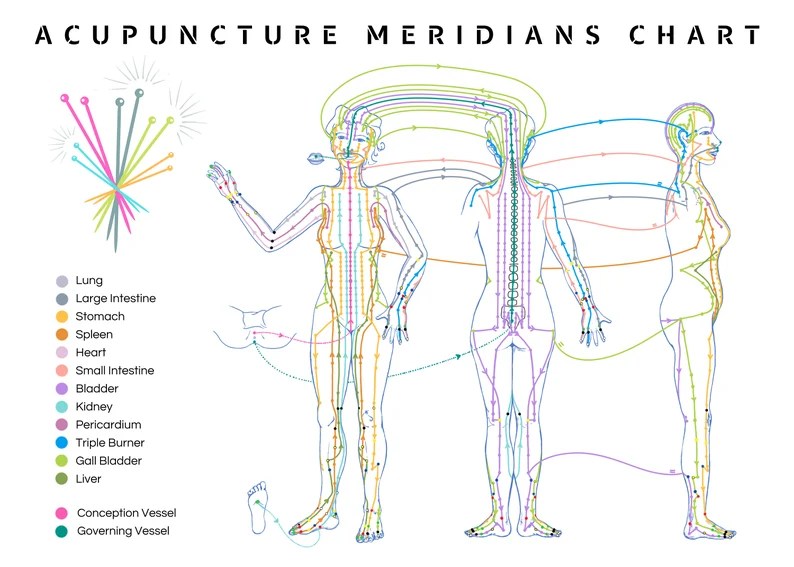
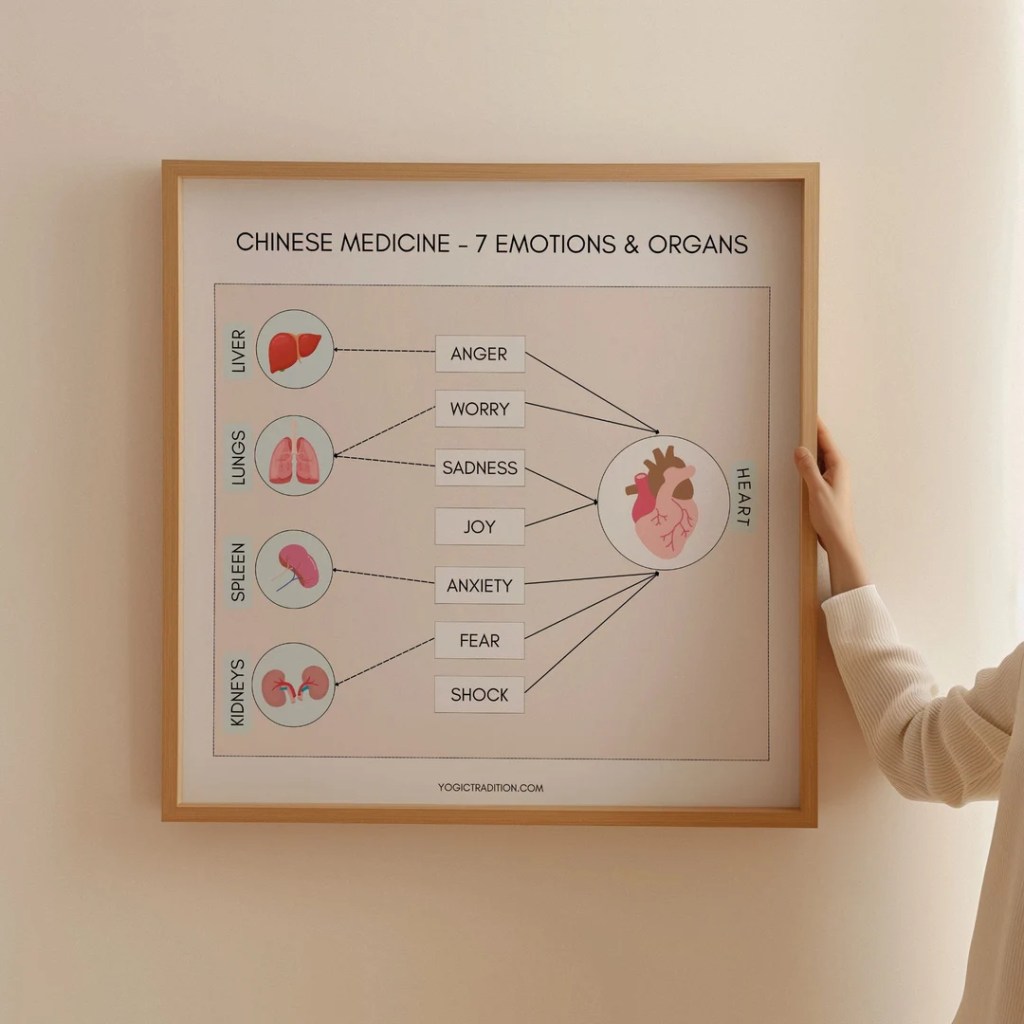
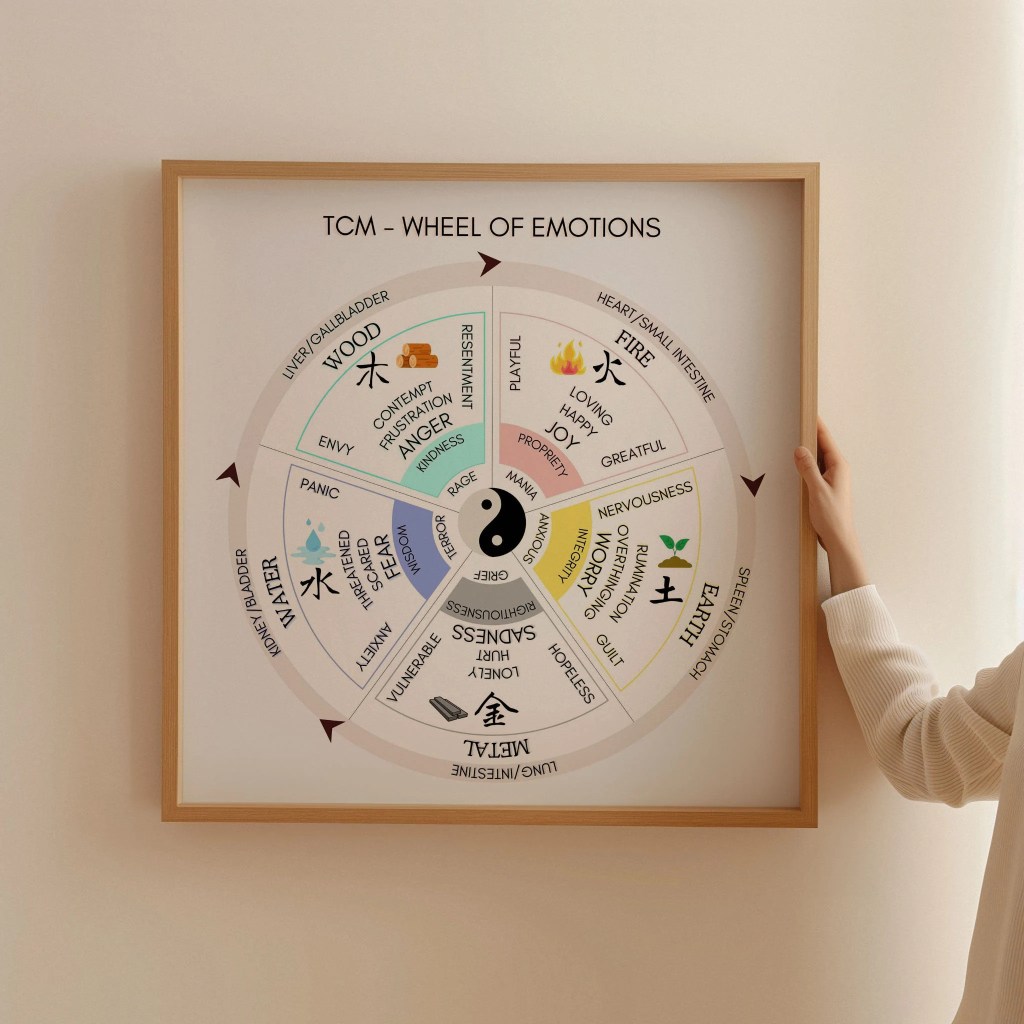
Body as an interconnected ecosystem:
- Shen governs mental and emotional vitality.
- Qi regulates movement and transformation.
- Jing supports foundational resilience.
- Emotions correspond to organ systems (e.g., grief–lung, anger–liver).
During steroid withdrawal, this framework helped me understand why emotional regulation, community support, and cultural identity were not peripheral—they were central to healing.
Conclusion: Healing as an Interdisciplinary, Cultural, and Neurobiological Journey
My recovery was not the result of one intervention—it was the integration of many. Neuroplasticity reshaped my brain. Psychodermatology reframed my skin. Exercise recalibrated my immune system. Adlerian psychology restored my agency. TCM grounded me in ancestral wisdom. And autoethnography now allows me to translate this lived experience into research that may help others.
Healing chronic illness is not just biological—it is cognitive, cultural, relational, and deeply personal. My hope is that this integrative lens will contribute to a future where neuroscience and traditional medicine work together, and where lived experience is recognized as legitimate scientific data.
References
Arabpsychology. (n.d.). Adler’s approach to personality summarized. https://db.arabpsychology.com/adlers-approach-to-personality-summarized/
Dispenza, J. (2012). Breaking the habit of being yourself: How to lose your mind and create a new one. Hay House.
Doidge, N. (2007). The brain that changes itself: Stories of personal triumph from the frontiers of brain science. Viking.
Lee, S. Y., Lee, E., Park, Y. M., & Hong, S. J. (2018). Microbiome in the gut-skin axis in atopic dermatitis. Allergy, Asthma & Immunology Research, 10(4), 354–362. https://doi.org/10.4168/aair.2018.10.4.354
National Center for Biotechnology Information. (2023). Individual psychology. https://www.ncbi.nlm.nih.gov/books/NBK599518/
Ni, M. (1995). The Yellow Emperor’s classic of medicine: A new translation of the Neijing Suwen. Shambhala Publications.
Oizumi, R., Sugimoto, Y., & Aibara, H. (2024). The potential of exercise on lifestyle and skin function: Narrative review. JMIR Dermatology, 7, e51962. https://doi.org/10.2196/51962
Suzuki, W., & Fitzpatrick, B. (2015). Healthy brain, happy life: A personal program to activate your brain and do everything better. Dey Street Books.


Leave a Reply