
We are not warned in our adolescence just how challenging adult life will be. Some may be better equipped than others, thanks to the safety, security, and support of loving parents. Others may have had to become the adults in their own lives, raising themselves. Still, we are never fully prepared for the unpredictable surprises thrown our way in this human experience—especially the temptations of an ever-evolving modern world.
From someone now 28 years of age, I urge you to be cautious when accepting someone into your life. The impact of external energy is profound. Think deeply before intertwining your life with another. At first, the emotions you feel may stir a deep infatuation for this new individual. However, these feelings will eventually fade, and reality will settle in—with it, responsibilities. Are you capable of supporting that person? Are you capable of supporting yourself? If not, why disrupt the balance of your own life and theirs?
I have lived across four continents and speak several languages. My exposure to different cultures and societies has had a profound impact on my upbringing and worldview. Sometimes I wonder if I was meant to be born in a time before now, as the world seems to be shifting so rapidly. My heart feels heavy as I watch the decline in genuine social interaction, accelerated by the smartphone’s rise.
I’ve witnessed its benefits—it connects me with old colleagues, acquaintances, friends, and family across the world. Yet the kyphosis of our spines as we melt into our screens erodes the natural curve of our posture, and in turn, our self-confidence. This truth is echoed in books by Dale Carnegie, Emily Post, and Joe Navarro, where confident posture—chin up, shoulders back, stomach in, lats engaged, head held high—fosters positive thoughts and builds trust with those around us.
Still, smartphones, tablets, and indoor living foster a sedentary lifestyle and limit social interaction—possibly to our society’s detriment. I speak only from observation, remembering my own childhood, spent freely outdoors—running, climbing, laughing among other children in playgrounds, with neighbors, or on the streets. What liberating times. What trust we had in our communities.
As a woman, I worry. What kind of world are we building for future generations? What lifestyles are we encouraging? What kind of futures will unfold if our present is consumed by self-interest?
We have been warned. The evidence is all around us. But in our individual lives, are we truly making an effort to be kind—to ourselves, and to our fellow human beings?
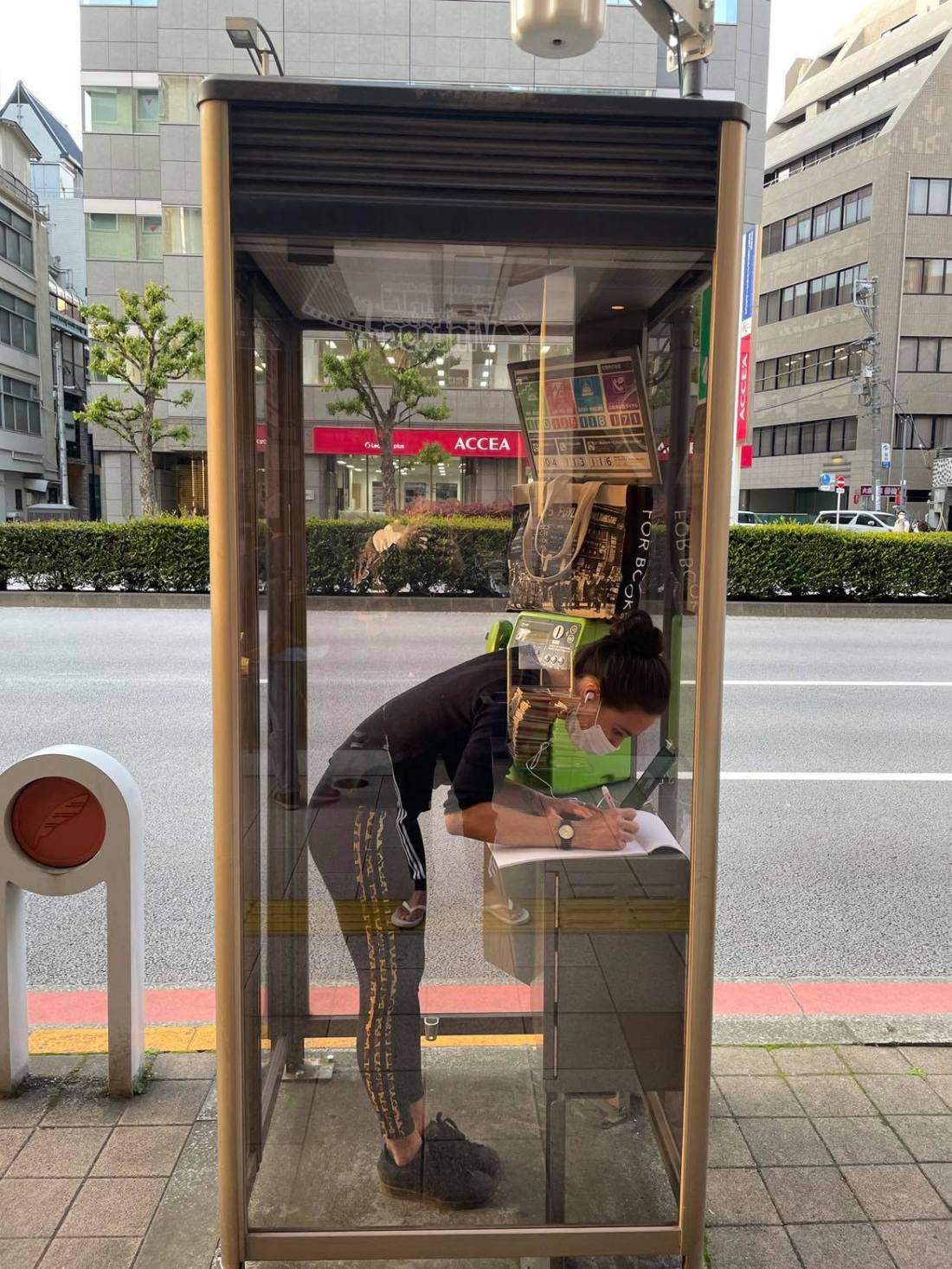
Something I appreciated about living in Japan was gaining an understanding of how each individual recognises their unique role within society and respects others in return. Regardless of the role they play, everyone is aware of the profound and lasting impact their actions can have.
For example, households meticulously sort their garbage to make the work of sanitation workers more efficient. The barista prepares coffee for the garbage collector, the lawyer, the student, the politician, the mother—each with their own set of responsibilities. This shared sense of duty and mutual respect is what we call social responsibility—the ethical framework which suggests that individuals and organizations have a duty to act for the benefit of society at large.
Inspired by A.C. Grayling, I write—in hopes that my small voice might ripple through the vast ocean of humanity.
 Artist & Academic