
Balanced living requires replacing harmful coping mechanisms like skin picking with physical and creative outlets. Research shows that skin picking is linked to emotional dysregulation, while physical activity and creativity both reduce stress and improve mental health.
Recently, I was talking with a friend about our shared habit of skin picking, and it struck me how this behavior may be doing us more harm than good. That conversation sparked deeper reflection: where does this urge even come from, why do we do it, and most importantly, what can we replace it with?
Skin picking often emerges as a way to cope with stress or anxiety, but it ultimately leaves us feeling worse: physically and emotionally. By questioning the roots of this habit, we open the door to healthier alternatives, such as channeling that restless energy into physical activity or creative expression. These replacements not only relieve stress but also build resilience and a sense of accomplishment.
The Problem with Skin Picking
Skin picking disorder (also called excoriation disorder) is recognized as a maladaptive coping mechanism for stress and negative emotions. Studies show it is often associated with emotional dysregulation, anxiety, and depression. While it may provide temporary relief, it leads to tissue damage, shame, and worsened psychosocial functioning. This makes it an unsustainable and harmful way to manage stress.
The Case for Physical Activity
Engaging in physical activity at least three times per week – whether lifting, running, dancing, hiking, or rock climbing – has been consistently shown to reduce stress, improve mood, and enhance cognitive performance. Exercise activates endorphins, lowers cortisol, and provides a clear mental break from work. For those in cerebrally demanding jobs, physical activity offers a way to “turn off the brain” and reconnect with the body.
Historically, this balance was built into daily life. As Morgan Housel notes in The Psychology of Money, during the Rockefeller era of 1870, 46% of jobs were in agriculture and 35% in crafts or manufacturing. Economist Robert Gordon highlights that people could physically see the fruits of their labor, making work tangible and satisfying. Today, however, 38% of jobs are managerial/professional and 41% are service-based, meaning most people spend their days in mental tasks without clear boundaries between work and rest. The hybrid work-from-home model has blurred these lines even further, leaving little opportunity to truly disengage.
The Role of Creativity
Physical activity alone is not enough. Creative practices, such as singing, painting, or writing, are essential for mental health and innovation. Research shows that creativity reduces stress, improves emotional well-being, and fosters resilience. NASA has emphasized that nurturing imagination is critical for problem-solving and innovation, noting that creativity “breeds genius.” Beyond the art, it’s about cultivating the kind of thinking that drives progress for future generations.
Finding Balance in Modern Life
Our bodies are still wired for movement, even if our jobs demand mental labor. To thrive:
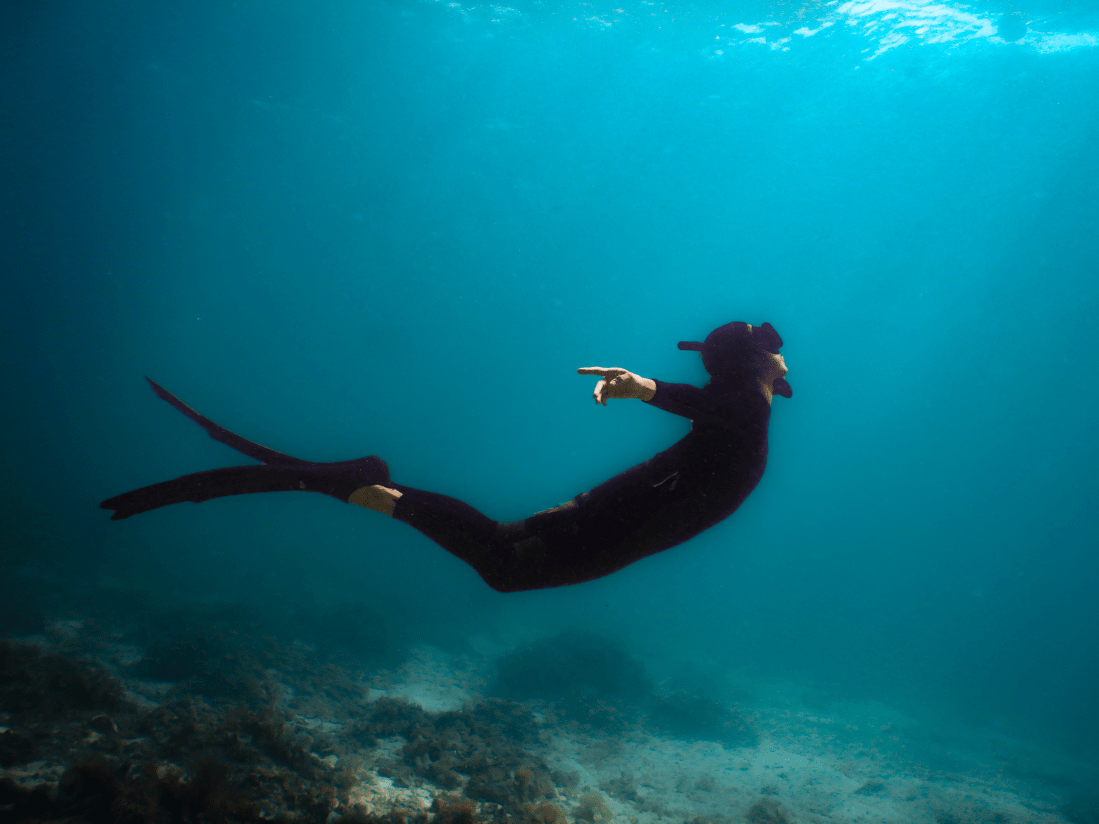
- Allocate 3+ days to physical activity: running, lifting, dancing, hiking, climbing, freediving, or yoga.
- Dedicate 1–2 days to creativity: painting, drawing, doodling, writing, singing, instrument-playing, acting, acrobatics, or dancing.
- Match your hobbies to your work: if your job is physically demanding, choose mentally stimulating hobbies; if your job is mentally draining, prioritize physical outlets.
- Always include creativity: regardless of your profession, creative expression nurtures imagination and innovation (NASA, 1960).
- Engage in breathing techniques: practices like pranayama can be integrated into meditation or Emotional Freedom Techniques (EFT), helping regulate stress, calm the nervous system, and deepen mind-body awareness.
Conclusion
Despite technological progress, our physical and psychological needs remain unchanged. Skin picking may feel like stress relief, but it is harmful and ineffective. Instead, balance your week with physical exertion and creative exploration. This not only supports mental health but also cultivates the imagination and resilience needed for the future.
If you’re unsure where to begin, book a consultation with me today. I’ll help you design a personalized plan to replace harmful habits with empowering practices.
References
- American Psychiatric Association. (2013). Diagnostic and statistical manual of mental disorders (5th ed.). Arlington, VA: American Psychiatric Publishing. (for excoriation/skin picking disorder as a maladaptive coping mechanism)
- Gordon, R. J. (2016). The rise and fall of American growth: The U.S. standard of living since the Civil War. Princeton University Press. (for historical labor statistics and economic context)
- Housel, M. (2020). The psychology of money: Timeless lessons on wealth, greed, and happiness. Harriman House. (for the Rockefeller-era reflections and quotes on tangible work)
- National Aeronautics and Space Administration (NASA). (2023, October). NASA study on creative genius and educational impact. YourStory. Retrieved from https://yourstory.com/2023/10/nasa-study-creative-genius-educational-impact (for evidence on creativity nurturing imagination and genius)
- Salmon, P. (2001). Effects of physical exercise on anxiety, depression, and sensitivity to stress: A unifying theory. Clinical Psychology Review, 21(1), 33–61. https://doi.org/10.1016/S0272-7358(99)00032-X (for scholarly evidence on exercise reducing stress and improving mental health)
- Tang, Y. Y., Hölzel, B. K., & Posner, M. I. (2015). The neuroscience of mindfulness meditation. Nature Reviews Neuroscience, 16(4), 213–225. https://doi.org/10.1038/nrn3916 (for evidence on meditation and breathing techniques like pranayama improving stress regulation)
- Church, D., Stapleton, P., & Yang, A. (2018). Emotional Freedom Techniques (EFT) as an evidence-based practice for the treatment of stress, anxiety, and depression: A systematic review. Explore, 14(5), 356–362. https://doi.org/10.1016/j.explore.2018.04.001 (for EFT as a validated stress management tool)
 Artist & Academic